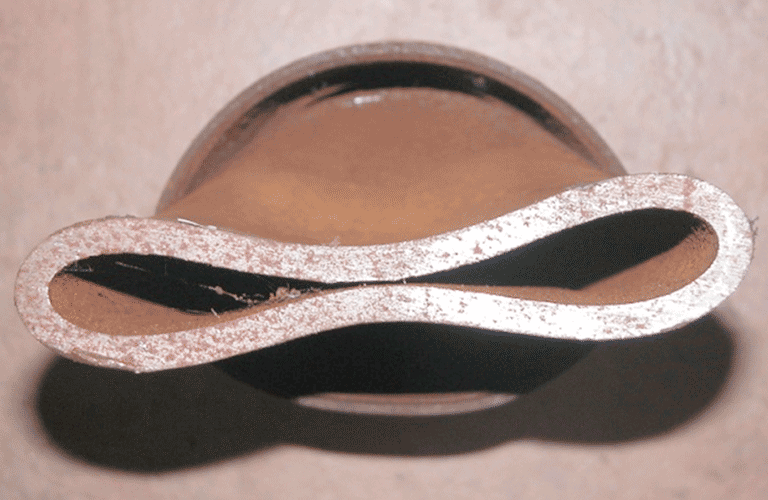
It used to be the case that wells were either constructed with over-designed tubulars or that a learning curve / allowable failure rate was tolerable. This is no longer the case.
The course is aimed at drilling and completion engineers with some experience of tubular design and for managers and supervisors wishing to expand their understanding of the intricacies of tubular stress analysis.
Duration
1 day
Learning Level
Skills
Knowledge
Awareness
This one-day session examines some of the critical issues involved in the selection of tubing and casing. It is not intended to supplant more comprehensive courses, but instead focus on some of the nuances and often-misunderstood issues involved in stress analysis. No software will be used, but examples from software output will be presented. There will be opportunities for discussion and you are welcome to bring along any specific concerns about your well designs.
Course Content
Some of the issues that we will examine include:
What is the worst-case production condition?
Defining an appropriate worst-case wellhead shut-in pressure and temperature.
What effect do adjacent wells have on casing design?
Just how conservative is API burst and should we still use it?
What the VME envelope really means and how should a realistic triaxial safety factor be calculated?
How to incorporate the results from onerous testing of connections.
Stimulation - is it just a case of high internal pressures and cold temperatures?
Any other ‘hot topics’ that you’d like to discuss!
Course Duration
1 day
Course Tutors
Jonathan Bellarby
BSc (Hons), MEng 30+ years – wells technology
Jonathan develops and runs courses in the Wells and Early Development series. He has a career background at BP, ICE, AGR and TRACS. Jonathan is the author of ‘Well Completion Design’.


 Energy transition and renewables
 Early development
 E&P overview
 Reservoir
 Wells
Wells Business
 Open air
 Uncertainty and Risk
 e-Products