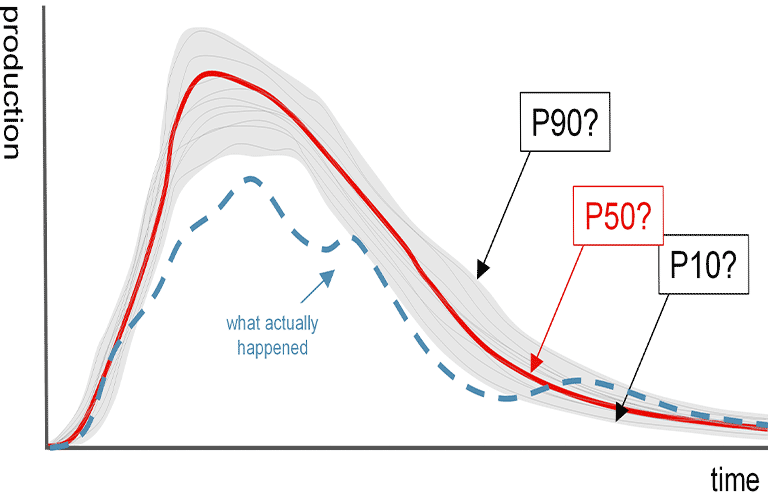
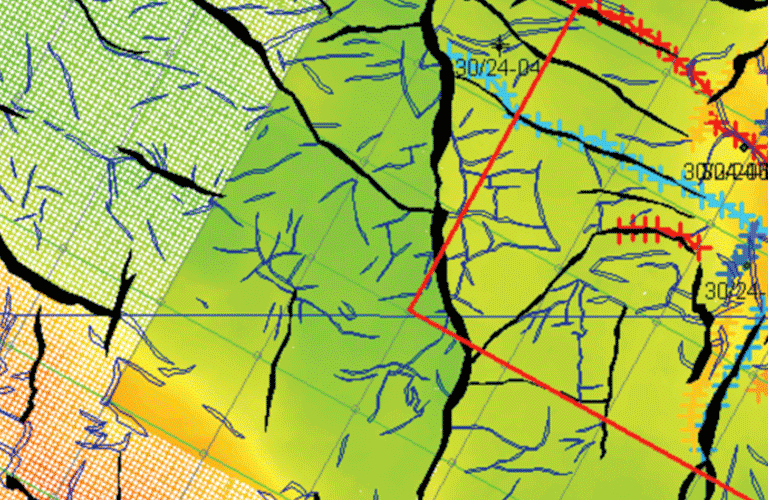
Field Development Planning is conducted by all oil and gas operators with outcomes that often differ widely from predictions.Occasionally, developments are simply unsuccessful; one independent industry body rates over 65% of FDPs as ‘failures’.Why is this so?
The course is designed for all petroleum engineers, drilling engineers, team leads and managers involved in field development planning.
Duration
2 days
Learning Level
Skills
Knowledge
Awareness
This two day event takes case study material and explores the root causes of success and failure in development planning.It will be argued that failure is rarely due to lack of raw engineering talent and tends to relate instead to issues of framing, planning, team behaviour and both personal and corporate bias.
This course will explore these issues with reference to case study material and will discuss the following topics.
Context: how does FDP work fit into a gated process? Thissection ideally references the processes specific to the delegates’ company.
Project framing: what to include in framing sessions and what not to expect.How to realise Front End Loading in practice.
Handling uncertainty and risk: what we mean by ‘scenario’, how to handle statistics and the perils of the base case.Defining upsides and downsides and mitigating potential loss.
Team organisation: balancing linear vs. parallel working and what to do with Gantt charts.
Sources of bias: predictable heuristics, what they are and how to manage them.
Case examples: post-mortem on unsuccessful FDP outcomes.These may include client-specific cases if desired.
Course Content
Day 1
FDP overview
Reflection – post-mortem on unsuccessful developments
FDPs and corporate process – how the two relate
Bias, heuristics and forecasting
Mitigation by scenario planning
Day 2
Case-based FDP planning in practice
Right-sizing a work effort
Resources, team structure and behaviours
Change management
Course Duration
2 days
Course Tutors
Mark Cook
BSc, MBA 40+ years - reservoir engineering, economics and risk analysis
Mark develops and runs courses in Early Development, Business & Risk and Reservoir Engineering series. He has a career background at Shell, TRACS (Director), and AGR (VP). Mark is Author of ‘Petroleum Economics and Risk Analysis’ and co-author of ‘Hydrocarbon Exploration and Production’, an SPE distinguished lecturer, and guest lecturer at Heriot-Watt University.


 Energy transition and renewables
 Early development
 E&P overview
 Reservoir
 Wells
Wells Business
 Open air
 Uncertainty and Risk
 e-Products