What should every technical professional working in the subsurface disciplines really know? New entrants to E&P are exposed to a large amount of technical information, some for awareness, some for deeper knowledge and some for the development of specialist skills.
From this wealth of information, this event distils the technical fundamentals everyone should know in order to perform effectively in an integrated as set team.
The course is aimed at technical professionals in petroleum engineering, well engineering and geoscience early in their careers, and is intended as a grounding in the fundamentals of their disciplines, either as an introduction to a graduate induction programme, or as a consolidation event at programme close.
Duration
Duration is 5 or 10 days depending on desired extent of content.
Learning Level
Skills
Knowledge
Awareness
The material is intentionally compiled under the cross-discipline themes of resource, rate and recovery to avoid the event simply repeating information from ‘Intro to …’ courses; instead the event specifically emphasises the linkage between disciplines – how the specific technical pieces fit together to deliver an end result for the business.
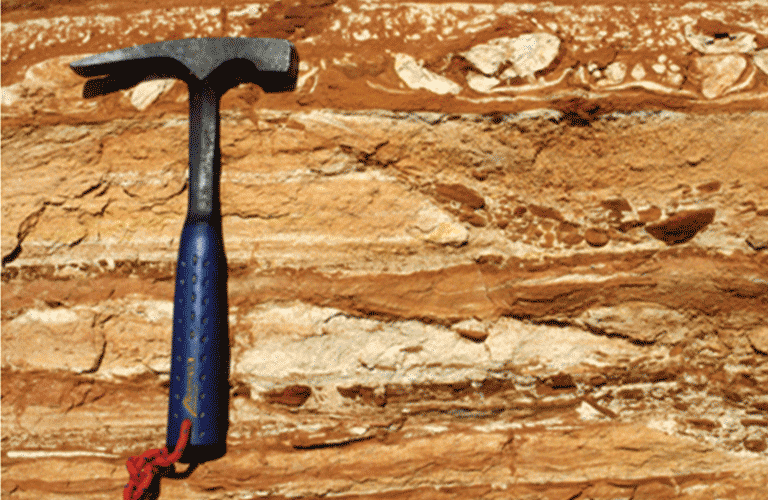
The event is run ’Open Air’, combining field and class sessions, and can optionally be prefaced by a generic team-based e-Learning module designed to identify knowledge gaps in the delegate group. To date the event has been mapped onto analogue field areas in the UK, Oman and Argentina, in each case incorporating client data from the subsurface to reflect the working environment of the group. The event is portable, in principle, to any client geography, and the case material can be re-tailored to any client dataset, or can make use of generic TRACS case material.
Mark runs courses in the Reservoir, Early Development, E&P Overview and Open Air Series. He has a career background at Shell, KUFPEC, AGR and TRACS. Mark is programme manager for the Early Development and the E&P Overview Series.
Mark Cook
BSc, MBA 40+ years - reservoir engineering, economics and risk analysis
Mark develops and runs courses in Early Development, Business & Risk and Reservoir Engineering series. He has a career background at Shell, TRACS (Director), and AGR (VP). Mark is Author of ‘Petroleum Economics and Risk Analysis’ and co-author of ‘Hydrocarbon Exploration and Production’, an SPE distinguished lecturer, and guest lecturer at Heriot-Watt University.
Mark Bentley
PhD 30+ years - geoscience
Mark develops and runs courses in the Open Air, Reservoir, E&P, Uncertainty & Risk and Energy Transition series for TRACS. He has a career background at Shell, AGR, TRACS and Langdale Geoscience. He has served as a distinguished lecturer for SPE and EAGE, acted as Training Director for TRACS and is an Associate Professor Heriot-Watt University. He is also co-author of the textbook ‘Reservoir Model Design’.
Richard Oxlade
MEng, CEng, BSc 40+ years - reservoir engineering and commercial
Richard runs courses in Reservoir and Business & Risk series. He has a career background at BP, AGR and TRACS. Richard is a global advisor, business planning & economic analysis.


 Energy transition and renewables
 Early development
 E&P overview
 Reservoir
 Wells
Wells Business
 Open air
 Uncertainty and Risk
 e-Products